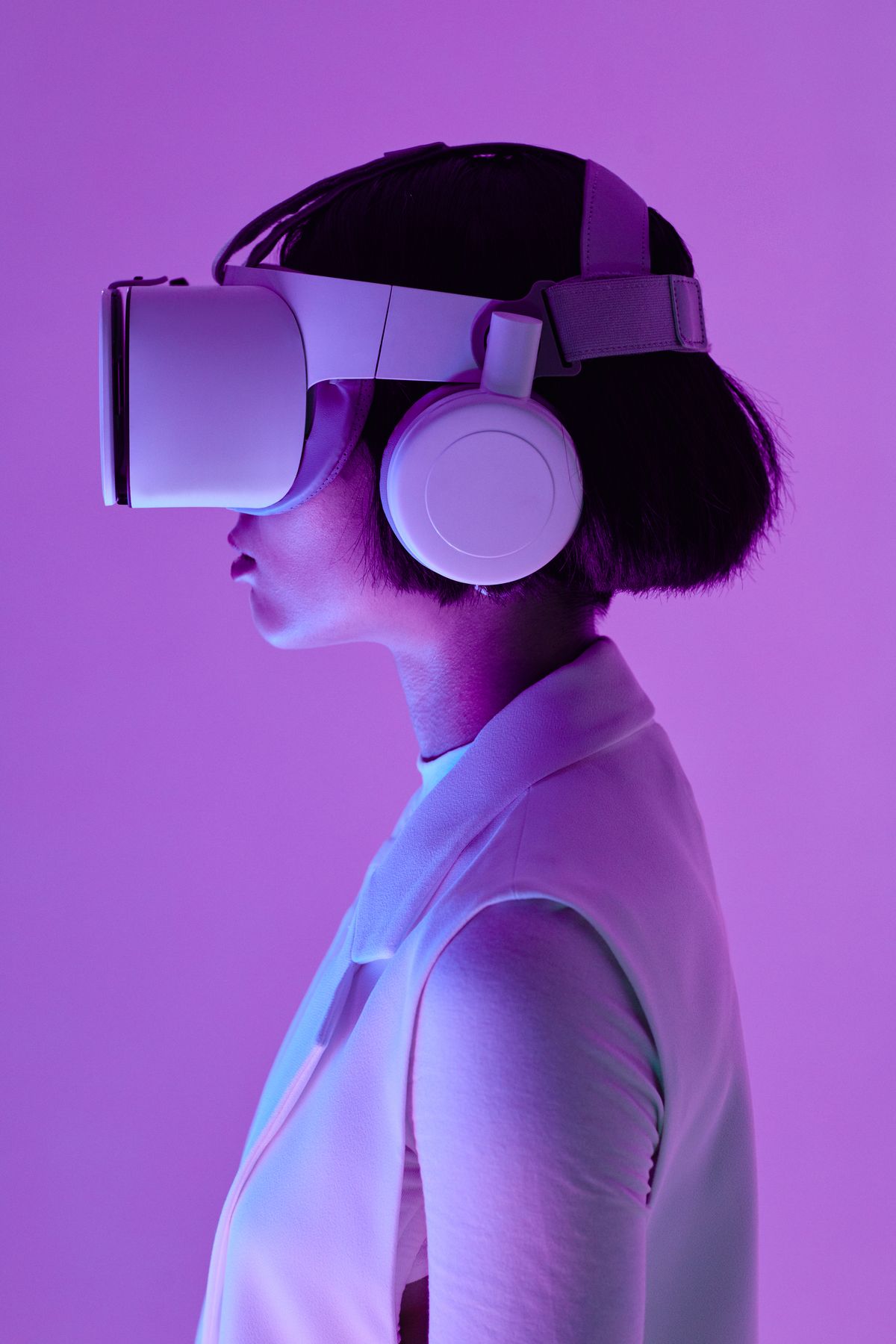
The conversation around spatial computing has shifted dramatically in recent years, moving from futuristic speculation to measurable market activity. Technologies such as augmented reality (AR), virtual reality (VR), and mixed reality (MR) are no longer confined to gaming and experimental use cases - they are increasingly being deployed across enterprise environments and consumer ecosystems. For tech enthusiasts and enterprise buyers, understanding the AR VR market size 2026, spatial computing growth, mixed reality statistics, and Apple Vision Pro market impact is essential to separate hype from actual performance.
Spatial computing represents a paradigm shift in how users interact with digital environments. Instead of traditional screens, users engage with immersive, three-dimensional interfaces that blend digital and physical worlds. This transition is being driven by advancements in hardware, real-time rendering, artificial intelligence, and sensor technologies.
However, despite strong technological progress, the market remains in a transitional phase. While investment levels are high and innovation continues at a pace, adoption varies significantly across industries and geographies. The launch of next-generation devices has reignited interest, but questions remain around scalability, affordability, and long-term demand.
As the market evolves, a data-driven perspective is critical. The key question is not whether spatial computing will transform industries - but how quickly it will move from niche adoption to mainstream integration.
Spatial Computing - Definition and Core Technologies
Spatial computing refers to the integration of digital content into the physical world, enabling users to interact with virtual environments in real time. It encompasses technologies such as AR, VR, and MR, supported by advanced computing, sensors, and user interfaces.
To better understand spatial computing, it can be broken down into key components:
Augmented Reality (AR) AR overlays digital content onto the real world, enhancing user perception without replacing the physical environment. It is widely used in mobile applications, retail visualization, and industrial workflows.
Virtual Reality (VR)* *VR creates fully immersive digital environments that replace the physical world. It is commonly used in gaming, training simulations, and virtual collaboration.
Mixed Reality (MR)* *MR combines elements of both AR and VR, allowing digital objects to interact with the physical environment in real time. This is a key driver of enterprise applications.
Hardware Ecosystem Spatial computing relies on headsets, sensors, cameras, and processors to deliver immersive experiences. Advances in hardware design are improving performance, comfort, and usability.
Software and Content Platforms* *Applications, development tools, and content ecosystems are essential for driving adoption. The availability of compelling content remains a key factor influencing market growth.
The integration of these technologies is enabling new forms of interaction, productivity, and user experience, positioning spatial computing as a transformative force across industries.
Global AR/VR/MR Market Size & 5-Year Projections
The global AR/VR/MR market has experienced significant growth over the past decade, supported by increasing investment, technological advancements, and expanding use cases. Industry projections suggest that the AR VR market size in 2026 will reflect substantial expansion, with strong compound annual growth rates expected over the next five years.
Several factors are driving spatial computing growth:
Enterprise Adoption Accelerating Market Expansion* *Organizations across industries are investing in AR/VR solutions to improve training, design, and operational efficiency. Enterprise demand is becoming a primary driver of market growth.
Consumer Market Gradual Expansion* *While consumer adoption has been slower compared to enterprise uptake, interest is growing with the introduction of more advanced and user-friendly devices.
Advancements in Mixed Reality Technologies* *Mixed reality statistics indicate increasing adoption in sectors such as manufacturing and healthcare, where real-time interaction between digital and physical environments adds significant value.
Investment in Ecosystem Development Technology companies are investing heavily in both hardware and software ecosystems, supporting long-term market expansion.
Despite strong growth projections, the market remains in an early stage, with adoption rates influenced by factors such as cost, usability, and content availability.
Enterprise vs Consumer Segment Spending Split
A key characteristic of the spatial computing market is the divergence between enterprise and consumer spending. While consumer applications receive significant attention, enterprise use cases currently account for a larger share of investment.
Key differences between the two segments include:
Enterprise Dominance in Early Adoption Businesses are leading adoption due to clear return on investment in areas such as training, design, and remote collaboration.
Consumer Market Driven by Entertainment and Gaming* *Consumer adoption is largely concentrated in gaming and media, where immersive experiences provide strong value propositions.
Budget Allocation and ROI Considerations Enterprise buyers prioritize productivity gains and cost savings, while consumers are more sensitive to pricing and content availability.
Long-Term Convergence Potential* *Over time, the gap between enterprise and consumer adoption is expected to narrow as hardware becomes more affordable and content ecosystems expand.
This spending split highlights the importance of enterprise demand in sustaining market growth during the early stages of adoption.
Key Use Cases: Training, Retail, Healthcare, Design
Spatial computing is being applied across a wide range of industries, with several key use cases driving adoption:
Training and Simulation* *AR and VR are widely used for employee training, enabling immersive simulations that improve learning outcomes and reduce costs.
Retail and E-Commerce* *Retailers are leveraging AR to provide virtual try-on experiences and enhance customer engagement, bridging the gap between online and physical shopping.
Healthcare Applications* *In healthcare, spatial computing is used for surgical training, diagnostics, and patient education, improving precision and outcomes.
Design and Engineering* *Engineers and designers use AR/VR tools to visualize and test products in virtual environments, accelerating innovation and reducing development time.
These use cases demonstrate the versatility of spatial computing and its potential to transform multiple industries.
Headset Shipment Data Post-Apple Vision Pro The introduction of next-generation headsets has had a notable impact on the spatial computing market, particularly in terms of visibility and investment interest. The Apple Vision Pro market impact has been significant in shaping industry expectations and accelerating innovation.
Key trends in headset shipments include:
Renewed Consumer Interest* *The launch of advanced devices has generated renewed interest in spatial computing among consumers, increasing awareness and engagement. This renewed attention is also driving higher trial rates and early adoption among tech-savvy users, particularly in premium device categories.
Enterprise Demand for High-End Devices* *Businesses are adopting premium headsets for specialized applications, driving demand in the enterprise segment. Industries such as healthcare, manufacturing, and training are prioritizing high-performance devices that can support complex, mission-critical use cases.
Ecosystem Expansion* *New hardware launches are encouraging the development of applications and content, strengthening the overall ecosystem. This is fostering greater collaboration between hardware manufacturers and software developers, accelerating innovation and improving user experiences.
Competitive Market Dynamics* *Technology companies are intensifying competition, leading to rapid innovation and diversification of product offerings. This competitive pressure is also contributing to gradual improvements in pricing strategies, device accessibility, and feature differentiation.
While shipment volumes are increasing, the market is still evolving, with long-term growth dependent on broader adoption and ecosystem maturity.
Barriers: Price, Content, Comfort Statistics
Barriers: Price, Content, Comfort Statistics Despite strong growth potential, several barriers continue to limit the widespread adoption of spatial computing technologies:
High Device Costs* *The price of advanced AR/VR headsets remains a significant barrier, particularly for consumer adoption. Premium devices with advanced features are often priced beyond the reach of mass-market users, limiting scalability and slowing widespread penetration.
Limited Content Availability* *A lack of compelling and diverse content reduces user engagement and slows market growth. The absence of "must-have" applications or killer use cases continues to hinder repeat usage and long-term consumer retention.
Comfort and Usability Challenges Issues related to device weight, battery life, and user comfort affect long-term usage and adoption. Extended usage can lead to fatigue or discomfort, making it difficult for users to integrate these devices into daily workflows or routines.
Technical Limitations Challenges such as latency, field of view, and processing power impact the overall user experience. Inconsistent performance and hardware constraints can reduce immersion, particularly in high-precision enterprise or real-time interactive applications.
Uncertain ROI for Some Use Cases* *While enterprise applications show clear value, some use cases still lack a well-defined return on investment. Organizations may hesitate to scale deployments without clear cost-benefit validation, especially in industries with tight budget constraints.
Addressing these barriers will be critical for transitioning spatial computing from early adoption to mainstream usage.
Regional Analysis
North America* *North America leads the spatial computing market, driven by strong technological innovation, high investment levels, and the presence of major technology companies.
Asia-Pacific* *Asia-Pacific is experiencing rapid growth, supported by large consumer markets, expanding digital infrastructure, and increasing investment in emerging technologies.
Europe* *Europe is focusing on industrial and enterprise applications of AR/VR, supported by regulatory frameworks and research initiatives.
Middle East and Africa* *The Middle East and Africa are gradually adopting spatial computing technologies, with growing interest in smart city projects and digital transformation initiatives.
South America South America is an emerging market for AR/VR adoption, driven by increasing digitalization and growing interest in immersive technologies across industries.
Conclusion
Spatial computing is evolving from a conceptual innovation into a measurable and data-driven market. The expansion of the AR VR market size in 2026, supported by steady spatial computing growth and improving mixed reality statistics, highlights the increasing relevance of immersive technologies across industries.
While the Apple Vision Pro market impact has reignited interest and accelerated innovation, the broader market remains in a developmental phase. Enterprise adoption continues to lead growth, while consumer markets are gradually gaining traction.
Challenges such as cost, content availability, and usability must be addressed to unlock the full potential of spatial computing. At the same time, ongoing investment and technological advancements are laying the foundation for long-term expansion.
For tech enthusiasts and enterprise buyers, the data suggests a clear trajectory: spatial computing is not a short-term trend but a long-term evolution. The transition to immersive, interactive digital environments will take time, but its impact on how we work, learn, and interact with technology will be profound.
Ultimately, spatial computing is a long game - one that will redefine digital interaction over the coming decade.